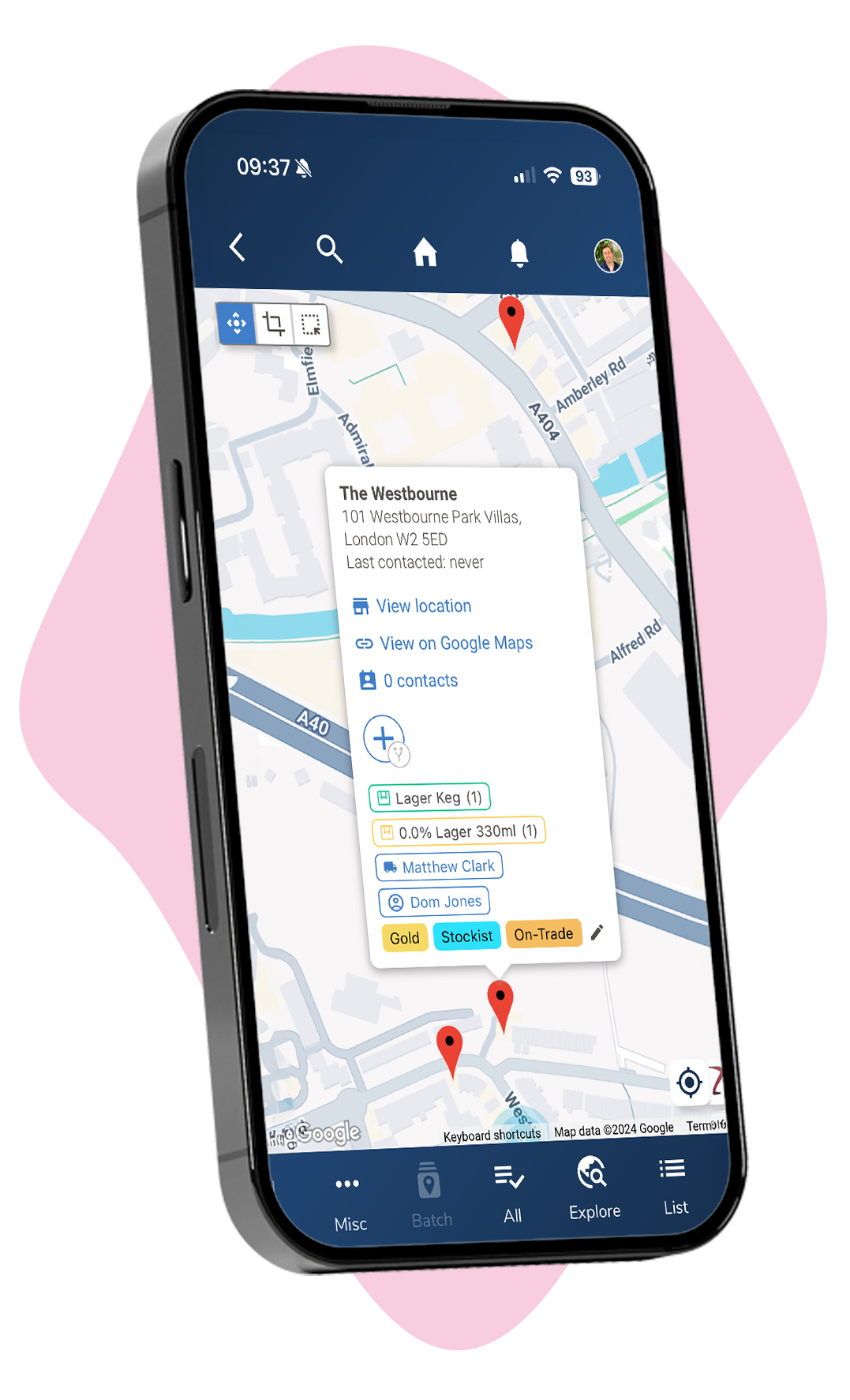
Beyond The Check-in: 8 High-Value Data Points for Smarter Field Data Collection
- Lily Solomon
The Inside Scoop on Field Data Collection From a Bowimi Customer Success Manager
If you manage a field sales team visiting bars, restaurants, pubs, hotels, or retailers, you’ve likely seen your fair share of site visit logs. Too often, site visit reports amount to little more than a digital stamp of attendance: “Dropped by, spoke to the bartender, took an order, moved to the next venue.”
As part of the Customer Success team at Bowimi, one of the most common questions I get from sales directors and field managers is: “What questions should we actually be including in our site visit surveys?”
It’s easy to feel uncertain about whether your field data collection is yielding actionable insights or just creating unnecessary admin work for your reps.
If your field reps are only logging visit completions and order volumes, your business is missing out on crucial market context. Field visits aren’t just about taking orders, they are your primary mechanism for gathering real-time commercial intelligence.
Here is a breakdown of the core data points your reps should be capturing on site, along with best practices for building field surveys that reps will actually use.
8 High-Value Data Points to Capture During Site Visits
To refine your wider sales strategy and identify growth opportunities, ensure your reps are evaluating these eight areas on every visit:
Staff Product Knowledge & Training Needs
Does the front-of-house team understand what makes your product unique? Can the venue’s staff confidently recommend your brand to customers, or is your product sitting idle on a shelf? Identifying training gaps allows you to schedule brand education sessions that directly drive sell-through rates.
Product Placement & Share of Shelf
Visibility drives velocity. Reps should record where your product is positioned on the shelf or back bar, whether you have a menu feature or tap placement, and how your visibility compares to nearby competitors.
Product Demand & Blind Spots
Track which SKUs are moving fast and which are lagging. Crucially, ask reps to log demand for products you don’t currently have stocked at the venue. Spotting these unfulfilled market needs early gives your product development and account management teams a clear advantage.
Competitor Activity & Pricing Metrics
Your field reps are your eyes and ears on the ground. Have reps track which competitor brands are currently stocked, their price points, on-site promotions, and any shift in venue preferences.
Decision-Maker & Key Influencer Tracking
Who holds the purchasing power at this location? Beyond the main buyer, reps should log staff members, venue managers, or head bartenders who influence purchasing decisions so your team can build long-term, multi-contact relationships.
Venue Growth Opportunities
Capture context about upcoming venue developments. Is the location launching a seasonal menu, hosting events, expanding outdoor seating, or opening new locations? Identifying these triggers early gives you first-mover advantage over competitors.
Account Health & Ordering Patterns
Beyond sales volume, evaluate venue satisfaction with your supply chain, delivery timelines, and customer support. Are ordering patterns consistent, or is account health starting to decay?
Clear Follow-Up Actions
Every visit report must conclude with a clear, defined next step. Does the account require point-of-sale (POS) materials, staff retraining, sample kits, or updated pricing sheets?
By covering all of these areas, you ensure the data you’re collecting in the field is valuable, usable, and has direct impact on your margins.
4 Rules for Designing High-Impact Field Surveys
Capturing rich data shouldn’t mean overwhelming your team with endless forms. To keep survey adoption high and data reliable, follow these best practices:
- Keep it fast and focused
Surveys should take minutes to complete and prioritise data that directly drives action. If a data point doesn’t inform a decision, don’t ask reps to collect it. Field data collection, more than any other type of sales data, relies on individual input. Make it as easy as possible for them to adopt.
- Leverage conditional logic
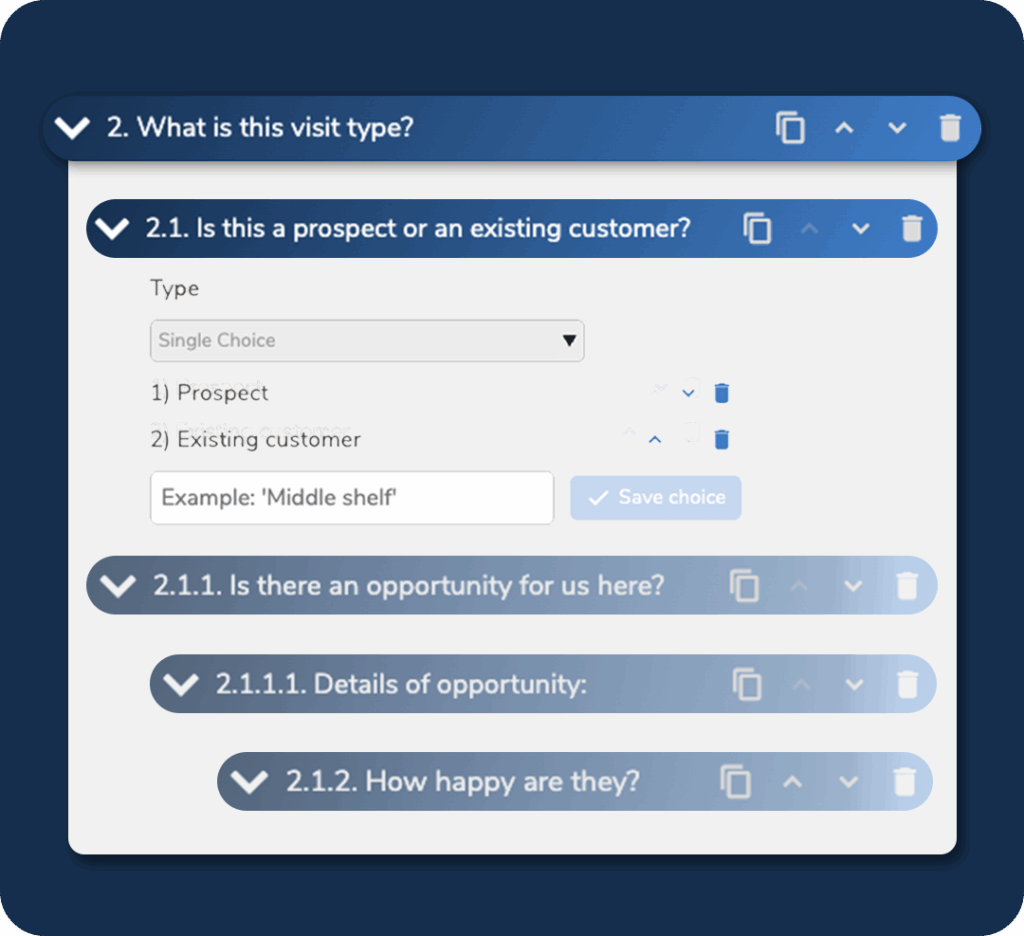
Not every visit requires every question. Use Bowimi’s Parent and Child question branching to display secondary questions only when relevant based on a rep’s previous answer (e.g. If “Competitor stocking new brand” = Yes → show “Which brand?”).
- Segment surveys by visit type
Avoid one-size-fits-all forms. Create distinct surveys tailored to specific workflows, such as:
- Prospecting visits
- New onboarding checks
- Routine account management
- Promotional audit visits
- Design for aggregated reporting
Standardise response formats (using dropdowns and multi-select fields rather than open text fields) so that managers can aggregate field data into strategic dashboards and trend reports.
Pro Tip
Bowimi users, check out this Help Article to find out how to create surveys.
Turning Field Data Collection into Commercial Advantage
The ultimate goal of field data collection is to transform observational feedback into strategic execution. When your field team moves beyond basic check-ins and starts capturing structured market intelligence, your business gains a accurate picture of account health, competitor positioning, and untapped revenue opportunities.
Tools like Bowimi’s Survey feature make this simple, giving sales leaders the structured reporting they need while providing field reps with an intuitive mobile workflow that takes seconds to complete.

Customer Spotlight
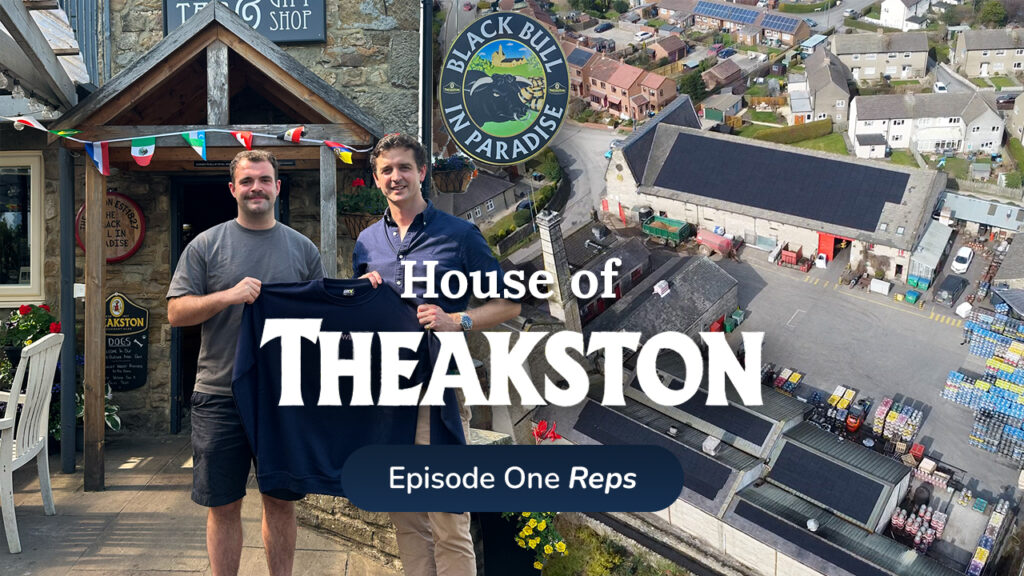
Cameron, a field rep for Theakston Brewery, uses Bowimi surveys nearly every day – see how they’ve changed the game for both him, and his managers.
Elevate Your Field Sales Intelligence With Bowimi
Stop missing out on critical market data from your site visits. Book a Bowimi demo today to see how custom surveys, parent-child question logic, and real-time field reporting can transform your sales strategy.