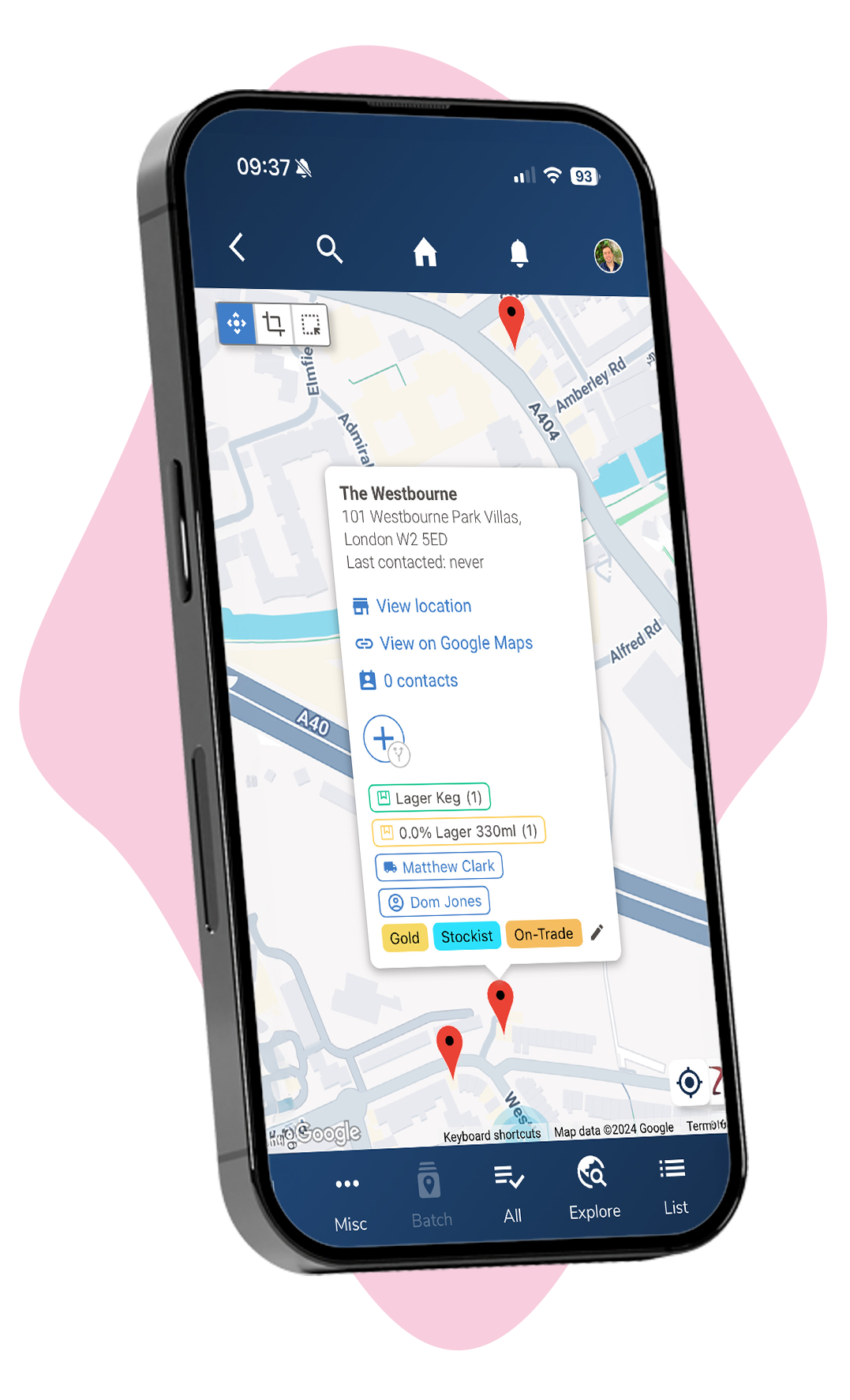
Track real-time KPIs including completed visits, new listings gained, trainings executed, and active competitor tracking, all filterable by custom time horizons to isolate growth.


Let’s lead with a blunt truth that most software companies try to hide: We’re selling a mobile-first field sales platform. We want you to buy it. Why? Because in a digital era, face-to-face connection is more important than ever.
But here is an even harder truth about our own software category: most field CRMs fail by month three because they are built for managers sitting at desks, not reps on the move.
When you force a field team to use platforms built for inside sales or marketing (like HubSpot or standard Salesforce) you are shoving desktop-first logic into a mobile ecosystem. To make them work for the road, you end up buying expensive, bloated add-ons just to get basic mapping functionality. The result? Your reps face endless manual data inputs, tool fatigue sets in, and they abandon the software entirely. They retreat to the safety of paper notebooks, messy WhatsApp threads, and “the Excel void.”
If your field data relies on a rep trying to remember details while typing a generic “good meeting” note into a clunky interface at 5:00 PM, you’re never going to get the insights you need to grow and scale.
In 2026, winning territories isn’t about doing visits for the sake of a tick-box. It’s about building a data-driven execution engine. Here’s how operational leaders are turning field data into a structural advantage.
Every field sales director wants their team to be data-driven. But sales reps are chosen because they are exceptional with people, not because they are data scientists. When software introduces friction, human error or complete lack of input follows immediately.
This creates the Excel Void, a state where critical field assets (surveys, compliance checks, sampling data, and order transfers) are scattered across fragmented spreadsheets and personal notebooks.
When data is siloed this way, field reps lose their strategic edge. They end up visiting accounts based on proximity or gut feeling rather than commercial opportunity.
Without a centralised, location-aware system, a rep cannot see at a glance that ten accounts on a single street are stocking your core product but haven’t been pitched your new release. They are walking away from easy prospecting routes simply because the data isn’t visible to them.
To scale a field function in FMCG, CPG, or distribution, your tech stack must match the reality of the road.
| Feature |
|---|
| Primary Design Intent |
| Rep Data Entry Friction |
| Territory Mapping |
| Commercial Execution |
| Manager Visibility |
| Legacy Desktop-First CRMs |
|---|
| Inside sales, email tracking, and marketing pipelines. |
| High. Dozens of generic text fields crammed onto a small mobile screen. |
| Requires expensive third-party add-ons or manual Google Maps exports. |
| Deals are updated later at the desktop; orders require separate ERP entry. |
| Lagging indicators based on self-reported, late-night rep logs. |
| Bowimi Live Visibility Architecture |
|---|
| Mobile-first field execution and rapid on-site data logging. |
| Low. Admin-curated forms, structured surveys, and automatic location tagging. |
| Native, advanced-filter mapping for instant batch-routing and prospecting. |
| In-app order transfers and live contract retro management on-site. |
| Live Insights dashboards tracking real-time pipeline, positioning, and KPIs. |
| Feature / Dimension | Legacy Desktop-First CRMs (HubSpot / Salesforce) | Bowimi Live Visibility Architecture |
|---|---|---|
| Primary Design Intent | Inside sales, email tracking, and marketing pipelines. | Mobile-first field execution and rapid on-site data logging. |
| Rep Data Entry Friction | High. Dozens of generic text fields crammed onto a small mobile screen. | Low. Admin-curated forms, structured surveys, and automatic location tagging. |
| Territory Mapping | Requires expensive third-party add-ons or manual Google Maps exports. | Native, advanced-filter mapping for instant batch-routing and prospecting. |
| Commercial Execution | Deals are updated later at the desktop; orders require separate ERP entry. | In-app order transfers and live contract retro management on-site. |
| Manager Visibility | Lagging indicators based on self-reported, late-night rep logs. | Live Insights dashboards tracking real-time pipeline, positioning, and KPIs. |
If you want clean data from the field, you have to make data capture a byproduct of the rep’s natural workflow, not an administrative penalty. Field reps hate CRMs because traditional systems ask them to think like database administrators while standing in a busy retail environment or a bustling hospitality venue.
Operational leaders in 2026 solve this by shifting from open-ended text entry to structured, front-and-centre forms.

Instead of forcing a rep to type out what happened, admins configure lean surveys that put the exact data required right in front of them. Reps tap through clean forms to capture real-time reality while talking directly to the contact, or checking compliance on-site.
For drinks, ingredients, and FMCG brands, positioning is everything. Reps use native in-app photo capture paired with specific listing tags like “Menu”, “Back Bar”, “On Draught”, or “Middle Shelf”. This connects physical asset placement directly to product status and rate of sale metrics without requiring long written descriptions.
Photo Captured in App
📱 No switching between apps
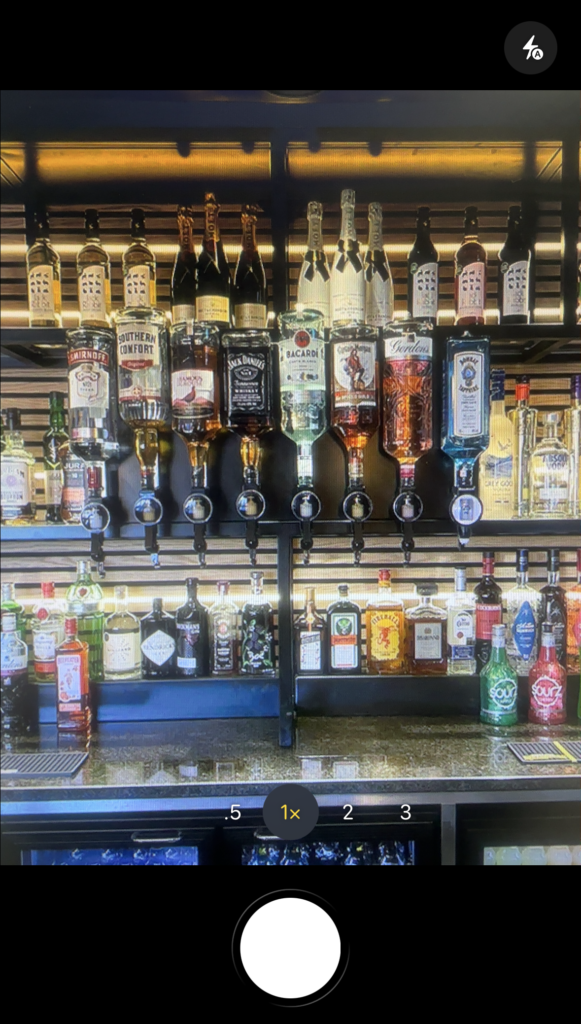
Tagged as ‘Back Bar’
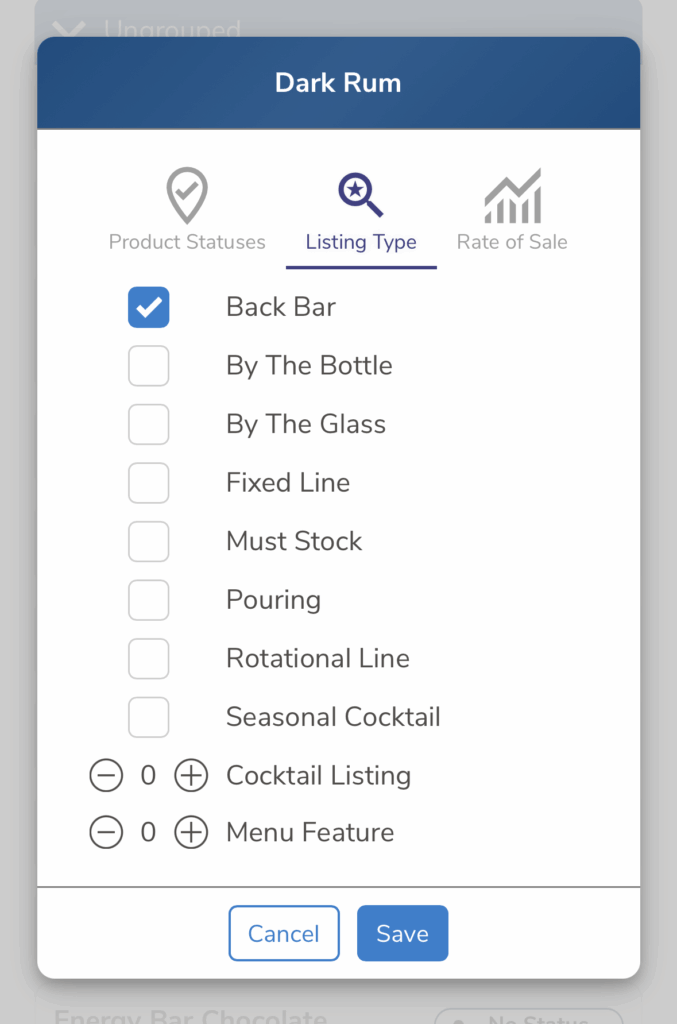
✏️ Customise for your recording needs e.g. ‘Top Shelf’, ‘Middle Shelf’
Automated Insight
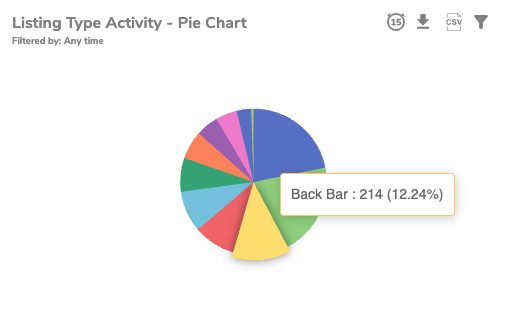
💡 Build complete dashboards for every insight
See performance at a high-level for quick reporting to stakeholders, with the power to drill down into the detail when it comes to reviewing and planning your sales strategy.
Reps use a highly visual map interface to view any account, check its active tags (e.g., venue type, priority level), and instantly add it to their daily route. Advanced filtering lets them build high-yield routes individually or in batches, ensuring they never walk past a warm prospect.
A field visit shouldn’t end with a promise to email an order later. Reps can transfer orders and manage location-based or distributor-based contracts directly within the application, protecting the human connection while removing human error.
When field data is captured cleanly at the pavement level, the manager’s job shifts from reactive micromanagement to proactive territory design. You no longer need to do constant, manual ride-alongs just to verify pipeline health.
Through live Insights dashboards, field sales leaders gain absolute visibility across individuals and teams:
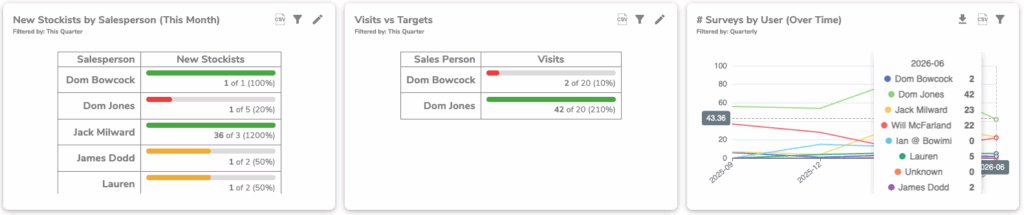
🔑 Easily check Key Performance Indicators (KPIs) for both teams and individuals
Track real-time KPIs including completed visits, new listings gained, trainings executed, and active competitor tracking, all filterable by custom time horizons to isolate growth.
Map out exactly where your customers and opportunities live. This clean visual geographic data allows management to spot white space on the map, accurately identify where to hire new reps, and eliminate territory overlaps.
See ‘building your base‘ in action with our Funkin Cocktails case study below.
Bowimi has helped Funkin Cocktails move from reactive selling to a more structured, measurable field sales process. Key outcomes include:
And most importantly: building strong customer relationships and expanding their footprint in the market.
Design highly targeted push campaigns (e.g., driving a new SKU into your top 20% accounts) or create incentivised performance sprints based on hard, verifiable visit data rather than subjective feedback.
For enterprise operations, managing complex contract retros can become a major revenue leak. By executing, signing, and tracking location-, product-, or distributor-specific contracts natively on the road, managers ensure commercial agreements are continuously honoured, not just agreed to and forgotten.

For emerging brands, a dedicated field tool can serve as your complete CRM. For mid-to-large enterprise organisations, it integrates directly into your core tech stack as a specialised execution layer, unlocking granular detail via tools like PowerBI templates without slowing down the team on the asphalt.
The objective of modern field sales management isn’t to turn your reps into data clerks. It is to give them a tool built for the reality of the road, so they can maintain the human touch while your business captures the clean, centralised data it needs to scale.

Curious how Bowimi could work for your business?
Answer a few quick questions and we’ll send you a short demo tailored to your business. No sales call required.
What to expect
You’ll get